Former senior detective Gary Jubelin has lost his appeal against convictions for illegally recording conversations during the William Tyrrell investigation.
After a 10-day hearing earlier this year, Jubelin was found guilty in April of illegally recording four conversations with Paul Savage, a person of interest in the case, in 2017 and 2018. As a result, he was fined $10,000.
The Law on Listening Devices in NSW
According to section 7 of the Surveillance Devices Act 2007 (NSW) (‘the Act’) a person must not knowingly install, maintain or use a listening device to overhear, record, monitor, or listen to a private conversation.
A ‘private conversation’ is defined by the Act as one which, in the circumstances, may reasonably be intended to be listened to only by those involved in the conversation or other people who have the consent of all participants to listen. A private conversation is also one where the parties might ought to reasonably expect that it will not be overheard by someone else.
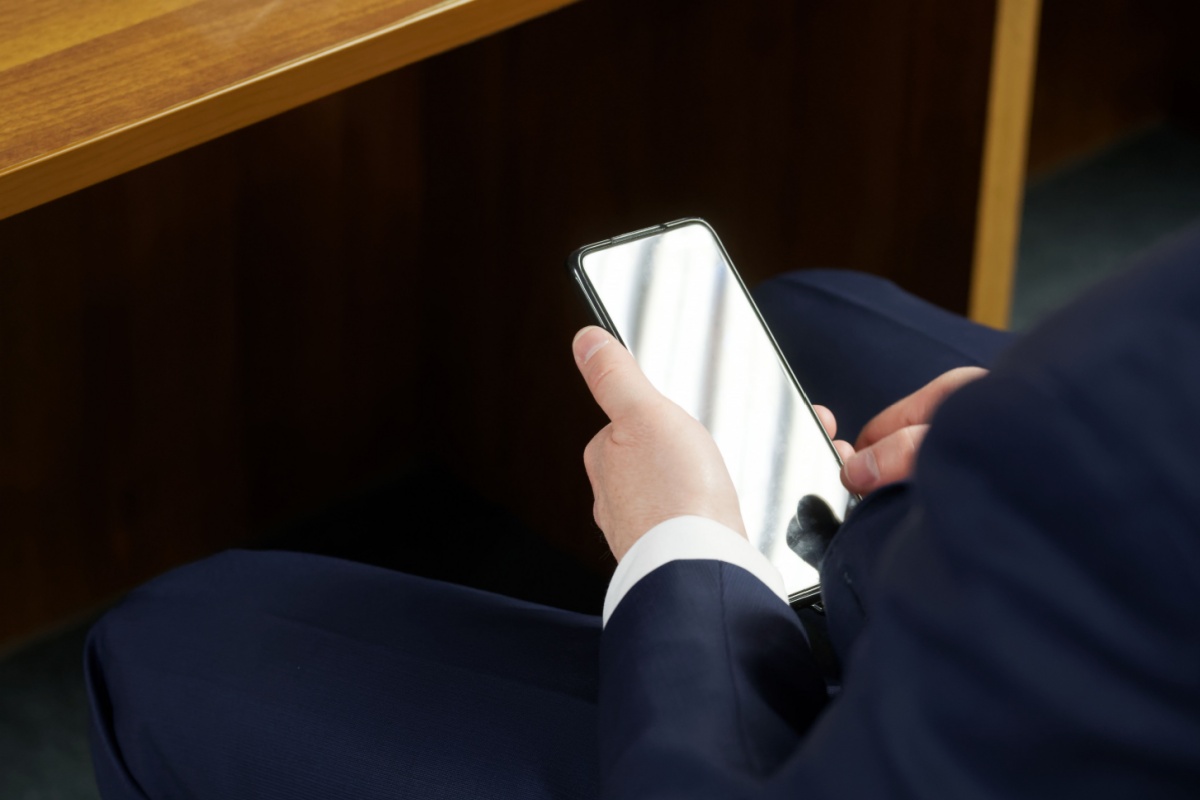
A ‘listening device’ is defined by the Act as “any device capable of being used to overhear, record, monitor or listen to a conversation or words spoken to or by any person in conversation.” This includes a mobile phone or other digital devices. It is important to note, however, that a listening device does not include a hearing aid or similar device used by a person with impaired hearing.
Gary Jubelin and the Illegal Use of Listening Devices
Mr Jubelin argued that he did not breach Mr Savage’s privacy during the first three phone recordings, as there had already been warrants issued by the NSW Supreme Court to allow police to install listening devices in his home.
The fourth tape, however, was recorded in December 2018 after the warrants had expired.
It is reported that Judge Antony Townsden in dismissing the appeal commented: “In a democratic society, those placed in a position of authority have an obligation to exercise their power lawfully…This, the appellant failed to do.”
Exceptions from the prohibition of Listening Devices
Under the Act, there exceptions that apply to the prohibition contained within section 7. These include:
- Where the use of the listening device is in accordance with a warrant or other emergency authorisation;
- Where the use of the listening device is in accordance with the Telecommunications (Interception and Access) Act 1979;
- Unintentional hearing of a private conversation by means of a listening device
- The use is in accordance with section 50A, of body-worn video by a police officer.
Further, it is not an offence for a party to a private conversation to use of a listening device if:
- All of the principal parties to the conversation consent, expressly or impliedly, to the listening device being so used, or
- A principal party to the conversation consents to the listening device being so used and the recording of the conversation:
- is reasonably necessary for the protection of the lawful interests of that principal party, or
- is not made for the purpose of communicating or publishing the conversation, or a report of the conversation, to persons who are not parties to the conversation.
Under the Act, a ‘principal party’ in relation to a private conversation means a person by or to whom words are spoken in the course of the conversation.
Penalty for recording a private conversation
The maximum penalty for this offence is 5 years imprisonment, and/or an $11,000 fine for an individual.
For a corporation, the maximum penalty is a $55,000 fine.
If you or someone you know needs legal advice or representation for a criminal law matter, contact the team at Hamilton Janke Lawyers.