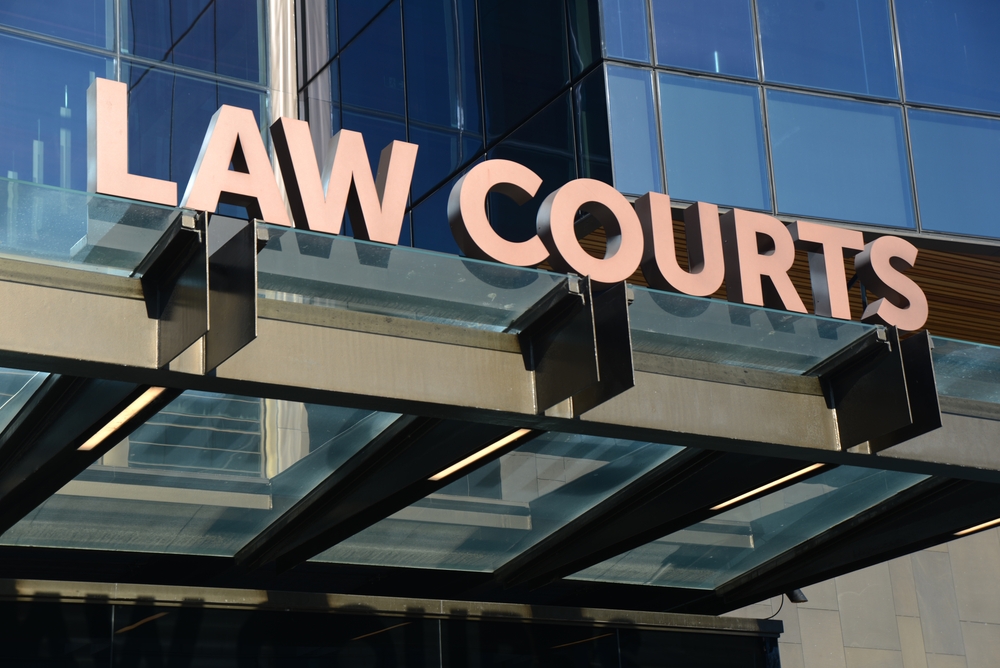
In a landmark revision to the Local Court Act 2007, the title of ‘Magistrate’ will be phased out in New South Wales Local Courts and replaced with ‘Judge’, as announced by the State Government.
The Role of NSW Local Court
As the busiest court in Australia, the NSW Local Court plays a crucial role in the judicial system. Local Court magistrates are responsible for more than 90 percent of judicial decisions in the state, and the court’s workload steadily grows in both volume and complexity.
In 2023, 376,160 general crime matters were commenced, marking a 1.8% increase from 2022 and a 39.7% rise since 2012. Additionally, 64,904 matters were commenced in the civil jurisdiction, representing a 25.4% increase from the previous year.
Consequently, in response to this evolving landscape, the NSW Local Court Annual Review 2023 recommended formally abolishing the title of ‘Magistrate’ to highlight ‘…the independence, qualifications and expertise that has developed over time in relation to judicial officers of the Local Court, particularly in light of the hearing and finalisation of an appreciable number of complex criminal matters in this jurisdiction, which are more and more frequently dealt with summarily, than on indictment.’
Magistrate No More
The historic change is advocated by Attorney General Michael Daley, who has said, ‘the Local Court is the backbone of the NSW judicial system, and this change will appropriately modernise the jurisdiction…’ and by ‘establishing the Office of Judge of the Local Court [it] will reflect the seriousness, volume and complexity of work in this jurisdiction and will help improve understanding of the important role of judicial officers in the Local Court’.
The proposed amendments to the Local Court Act 2007, Judicial Officers Act 1986 and the Constitution Act 1902 will also apply to other judicial offices in the jurisdiction, including Chief Magistrate, Deputy Chief Magistrate, Children’s Magistrate, Chief Industrial Magistrate, Industrial Magistrate and Acting Magistrate.
Although the title of ‘Magistrate’ has historical significance, dating back to a time when individuals held office in the Court of Petty Sessions and were appointed from public service ranks, New South Wales is now joining other jurisdictions in making this title change. The Northern Territory has already implemented the change to use the term ‘Judge’ in Local Courts with many other international jurisdictions, including New Zealand, the UK and Canada, not using the term ‘Magistrate’ or referring to an entirely unrelated position.
While the proposed amendments will replace the office of ‘Magistrate of the Local Court’ with ‘Judge of the Local Court,’ the title of ‘Magistrate’ will be honoured as an important part of the Local Court’s history.
In Need of Experienced Criminal Offence Lawyers?
If you have been fined or charged with a criminal offence in NSW, it is vital that you seek legal advice and legal representation.
The team at Hamilton Janke Lawyers have been recognised for their expertise in criminal matters by Doyle’s Guide and can provide you with sound advice and rigorous representation in court. Contact our expert Lawyers now.