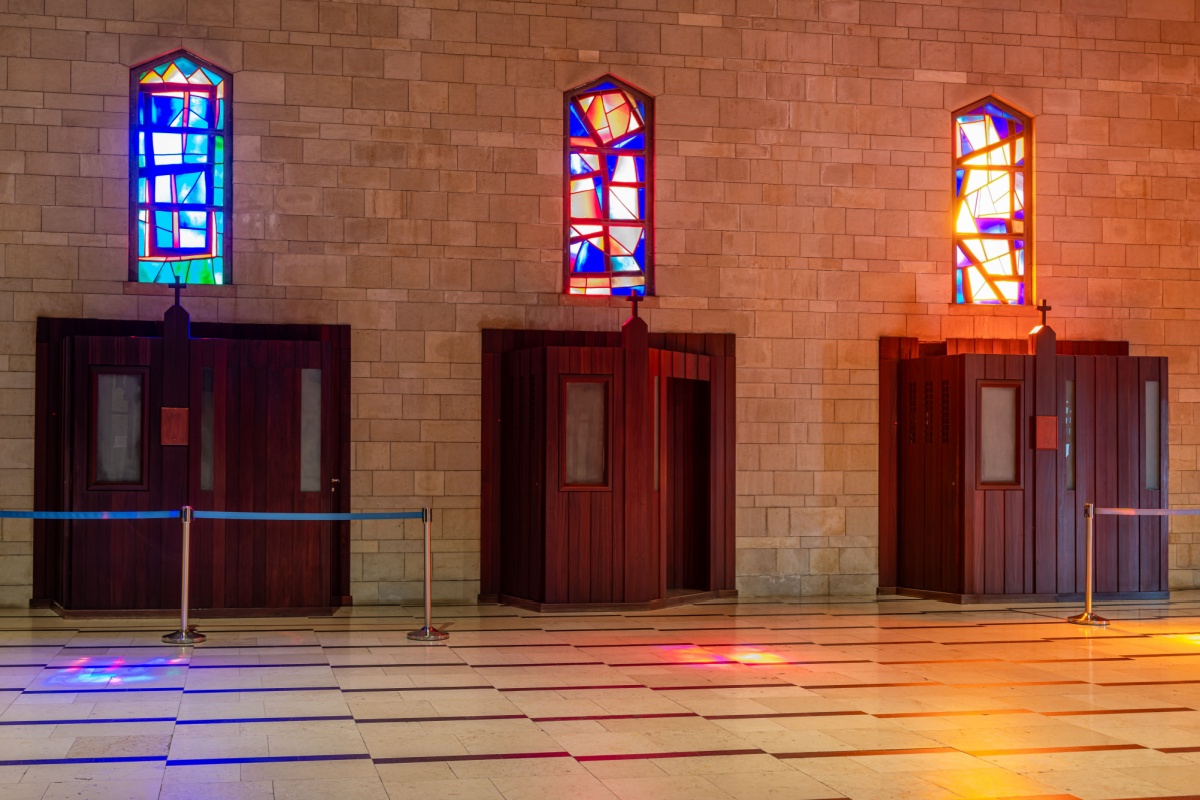
In the Catholic Church, the seal of confession is the absolute duty of priests not to disclose anything that they learn from individuals during their confession. This extends to instances where, during a confession, there have been reports of abuse.
The Royal Commission heard 4,444 allegations of child sexual abuse within the Catholic Church, involving around 1800 priests and church figureheads, with the ‘confessional seal’ used as a basis for not reporting suspected abuse.
Resultantly, one of the recommendations contained in the final report was to break the power and secrecy of the ‘confessional seal’ and require priests to report incidents of abuse. States and Territories have, however, been given autonomy on how to implement the recommendations from the Royal Commission.
The Offence of Concealing a Child Abuse Offence
As per section 316A of the Crimes Act 1900, an adult:
- Who knows, believes or reasonably ought to know that a child abuse offence has been committed against another person; and
- Who knows, believes or reasonably ought to know that he or she has information that might be of material assistance in securing the apprehension of the offender or the prosecution or conviction of the offender for that offence; and
- Who fails without reasonable excuse to bring that information to the attention of a member of the NSW Police Force as soon as it is practicable to do so,
is guilty of an offence under this section.
For the purposes of this section, ‘child abuse’ includes (but is not limited to) a range of offences, such as assault occasioning actual bodily harm, kidnapping, murder and the production of child abuse material.
The maximum penalty prescribed under the section varies depending on the offence that has not been reported:
- If the maximum penalty for the child abuse offence is less than 5 years imprisonment, the maximum penalty under section 316A is 2 years.
- If the maximum penalty for the child abuse offence is 5 years imprisonment or more, the maximum penalty under section 316A is 5 years.
In NSW, however, priests remain exempt from these offences given the protection afforded under the Evidence Act 1995 (NSW), as section 127 of the Evidence Act provides that: ‘A person who is or was a member of the clergy of any church or religious denomination is entitled to refuse to divulge that a religious confession was made, or the contents of a religious confession made, to the person when a member of the clergy.’
The laws in NSW around the confessional seal
Whilst the ACT and South Australia introduced laws compelling Priests to disclose information about child sexual abuse by early 2019, New South Wales enacted broader ‘failure to report’ legislation which does not place a specific obligation on a member of the clergy.
The position in QLD on the confessional seal
New laws have been passed in Queensland, in line with the recommendations of the Royal Commission into Institutional Responses to Child Sexual Abuse, which make it a crime for priests to fail to report incidents of abuse. Under these new laws, members of the clergy will be required to report known or suspected cases of abuse to police, as religious institutions and their members are no longer able to use the sanctity of confessional as a defence or excuse in child sex abuse matters.
For those who fail or neglect to report such conduct to police will be liable to a maximum penalty of three years in prison.